
Lunar New Year + Public Relations

Lunar New Year (LNY), also known as Chinese New Year or Spring Festival,
is one of the most widely celebrated cultural holidays in the world,
observed across China, Korea, Vietnam, and many other Asian
communities. While most holidays are deeply rooted in old traditions,
family reunions, symbolic foods, and rituals meant to bring in luck and
fortune, it has also become a significant moment for brands and
organizations to engage with the public. Lunar New Year’s origins trace
back over 3,000 years in China to ancient agricultural traditions
celebrating the harvest, asking gods for good fortune, and marking the end
of winter with the first new moon of the lunisolar calendar, evolving
through dynasties like the Shang and Han dynasties into the vibrant
Spring Festival, incorporating myths like ‘the beast Nian’ and customs like
firecrackers and red lanterns to ward off evil and welcome prosperity.

This Lunar New Year is the year of the horse, starting February 17th and
ending March 3rd, which focuses on family reunions, decorating with red
and gold, enjoying lucky foods (dumplings, fish), giving red envelopes
(Hongbao), watching lion/dragon dances, attending temple fairs, and doing
spring cleaning to welcome good fortune. Many public relations (PR)
campaigns run during this holiday, like the fashion industry, with brands
such as Bottega Veneta, Prada, and Dior having unveiled festive collections
that honour themes of prosperity, family, and new beginnings. Using a mix
of Asian American designs with a much more modern twist rather than relying on bold symbolism, the designers took a subtler approach to
engage with today’s audience like Gen Z.

Celebrating Lunar New Year authentically goes beyond immediate sales
impact; it’s about building lasting brand affinity and loyalty among Asian
consumers. By investing in the understanding of and honoring the cultural
traditions, brands must capture the attention of this influential
demographic while also signaling inclusivity and respect to a broader
audience. Of course to go about this correctly, PR must go through the dos
and don’ts of marketing for the Lunar New Year which include:

Do:
● Research and respect cultural nuances among different Asian groups
● Collaborating with Asian and Asian American creators and
influencers
● Highlight family, community, and renewal – themes central to the
holiday
● Incorporate elements of the zodiac year authentically
Don’t:
● Overuse generic symbols like red lanterns or dragons without
context
● Treat Lunar New Year as a transactional marketing moment
● Ignore the diversity within the Asian and Asian American
community

When it comes to holidays like Lunar New Year that is from another
country and PR campaigns, they want to do it the right way. It’s an
opportunity to create meaningful relationships by celebrating different
cultures with authenticity and care.
National Girls & Women in Sports Day

National Girls and Women in Sports Day (NGWSD) is a day that is celebrated in the United States every first week of February to honor the sporting achievements of girls and women, the impact of sports on girls and women’s lives, and the continued progress towards women’s equality in sports. Since the establishment of NGWSD in the year 1987, Congress of the United States has upheld this proclamation in the first week of February to recognize the success and achievement of girls and women in sports and in society. The National Girls and Women in Sports Day is celebrated in the United States with awards, events in the community and sports achievements of female athletes each year. Members of the National Girls & Women in Sports Day Coalition, including the Women’s Sports Foundation, organize events to celebrate NGWSD.

Annually, the National Girls and Women in Sports Day (NGWSD) is a significant platform for public relations practitioners to create brand purpose-driven campaigns that promote the successes of female athletes and advocate for gender equity in sports to improve brand reputation. PR professionals leverage NGWSD to improve corporate social responsibility (CSR) initiatives by linking a brand with female empowerment, gender equity, health, and milestones achieved by women. The PR campaign during NGWSD enhances a brand’s reputation to its consumers, especially those interested in diversity and inclusion in sports. The campaign allows a brand to mark a particular day each year to recognize its commitment towards actualizing this promise to support women and girls through deeds and not mere rhetoric.

So, PR practitioners utilize this day to push stories about female athletes, female coaches and other female leaders in the industry through mainstream media, consequently amplifying their visibility for female sports that are sometimes poorly represented in the media. The campaign consists of press releases that echo statistics and inspiring success stories of individual and collaborative effort to bring attention to girls and sports. PR practitioners work with female athletes in order to harness their social influence and amplify their messages regarding female empowerment.

Furthermore, NGWS concept is also used as means to increase the organizations’ engagement online for the purpose of having the brand put out a show of support, almost immediately. The PR professionals create content that is intriguing in nature; videos, interviews, and infographics that allow them to demonstrate how far and how strong women have gotten in the sports industry. NGWSD advertising campaigns on social media create a collective front of supporters, also allowing the brand to interact to its consumers, sports personalities and women sports supporters. This concept is the perfect time for the organization to reveal their support for women sports organizations, leagues or non-profits and highlight the pledge to put their money where their mouth is. PR efforts also highlight how the usage of NGWS date is the perfect one to bring light and get national awareness of the issue in wage gap inequalities and other subjects regarding equality in sports and to approach or lobby with them for a change in certain policies or funds.

NGWSD helps organizations and businesses to form an inclusive culture and represent female talent in the organization who either play sports or actively engage in the organization’s discussions and activities. For brands and businesses, NGWSD is also a good starting point to put up PR campaigns that honor, celebrate, and create change for girls and women in the sports industry while aligning corporate support and community engagement initiatives. National Girls and Women in Sports Day (NGWSD) is celebrated in February of every year and serves as a PR opportunity that highlight brand marketing, advocacy and storytelling in different media platforms for gender equality in sports. It is the day when sports organizations, brands, and other institutions recognize and celebrate female sports excellence, supporting the Title IX while creating brand loyalty through purpose driven marketing.

To conclude, the timing of NGWSD as a PR strategy shifts the perception of women in sports from a side character to a high-value, high-culture portrayal of women in sports.

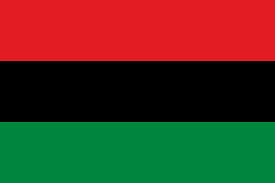
Black History Month: Spotlight on Black PR Professionals

In lieu of Black History Month being just around the corner, I would like to shed light on a few of the most prolific black Public Relations practitioners throughout history.

Patricia Tobin (1943-2008)

  • born in White Plains NY, later moved to Philadelphia which is where she finished high school and got her bachelor’s degree in journalism. In 1983 she founded “Tobin & Associates” which was one of the first firms to appreciate the black consumer. Throughout her career she worked with Toyota, Spike Lee, Wells Fargo, Johnnie L. Cochran Jr., Louis Gossett Jr., Nestle USA, Reebok International, Ltd., 100 Black Men of Los Angeles, Walt Disney Feature Animation, Sony Music Entertainment Inc., the Los Angeles chapter of the NAACP, and Representative Maxine Waters (D-CA).

Joseph Varney Baker (1908-1993)

Baker was a man of many firsts, including:

  • The first black journalist to write for the Philadelphia Inquirer
  • His firm was the first black owned PR firm in the country
  • he was the first african american to receive large monetary amounts from large U.S. corporations
  • He was the first black president of the Philadelphia Public Relations Society (PRSA)
  • First African American to receive accreditation from PRSA

His clients included Pennsylvania Railroad, American Tobacco Company, Carrier Corporation, Hamilton Watch Company, the Gillette Corporation, Scott Paper Company, RCA, Procter & Gamble, Chrysler, DuPont, U.S. Steel, Western Union, NBC, and the Association of American Railroads, he was also a graduate of Central and Temple!

Barbara C. Harris (1930-2020)

  • Born in Philadelphia and getting a journalism degree, she soon began to work for Joseph V Baker Associates after graduation. During her tenure at Baker’s firm, Harris set up and developed a Division of Women’s Information and edited a monthly publication for homemakers. She continued up the ranks until eventually becoming the President of Baker in 1958, and soon after PRSA. Barbara marched with Dr. Martin Luther King in Selma and became the first black female bishop in the Worldwide Anglican Communion

Moss Hyles Kendrix (1917-1989)

  • The Moss Kendrix Organization, was located in Washington, D.C. Over the years its clients included Coca-Cola, Carnation, the National Dental Association, the National Educational Association, and Ford Motor Company. Kendrix is the man who helped the struggling coca cola company advertise to african american communities more effectively. Coca Cola had Kendrix on retainer for many years, in this time he managed marketing and advertising campaigns including entertainers, musicians, and sports figures alike.

Frederick Douglass (1818-1895)

  • Growing up a slave and gaining freedom in his youth, Douglass was a man harboring a  very unique perspective on life within the states as a black man. Writing and publishing three autobiographies that would garner national attention, he through time leveraged his influence to garner a newspaper “The North Star”. That same year he was the only black male to participate in the first women’s rights convention in Seneca Falls. He was also an abolitionist who fought against Jim Crow and advised President Lincoln on African American issues.

John Harold Johnson (1918-2005)

  • Excelling in Highschool paved the way for Harold to be given a job at Supreme Liberty soon after graduation. His job was to read current publications and find what may interest African Americans. Seeing an opportunity he leveraged his position within the company to receive funding and release “Negro Digest” in 1942. He then went on to found Ebony Magazine in 1945 which had continued to thrive until their 2019 bankruptcy. He also played a role in the spread of Dr. King’s image. In 1951 he founded Jet, which was the publication that released Emmitt Till’s battered face to the public. Along with his publishing and other successes, Johnson was involved in politics. He served as a special ambassador for Presidents John F. Kennedy and Lyndon B. Johnson, to Ivory Coast and to Kenya, and traveled with Vice President Richard Nixon to Africa, Russia and Poland in 1957 and 1959.

Bayard Rustin (1912-1987)

  • Rustin is best known for organizing the March on Washington for Jobs and Freedom in 1963, where more than 200,000 people gathered and where Reverend Martin Luther King Jr. gave his now world-famous “I have a dream” speech. While he likely would not have referred to himself as a PR practitioner, his effort put in to plan a 200,000 person event set the standard for any gathering that large within the U.S. moving forward.

Some Interesting facts about Rustin

  • Rustin had refused to give up his seat on a bus, and was beaten by police for it, in 1942, well before Rosa Parks did so in 1955.
  • During World War II Rustin was imprisoned for refusing to serve in the U.S. military.
  • In 1942 Rustin helped his compatriots found the Congress on Racial Equality (CORE).
  • Rustin supported Soviet Jewry, went to refugee camps in Thailand, and protested a French atomic bomb test in the Algerian Sahara. In his later years he also worked for gay rights, giving a speech titled, “The New Ni**ers Are Gays.”

While Undoubtedly many more prolific practitioners exist, these few are some of the most influential of all time, with many of their legacies still being felt by us today. As a consumer I had no clue that there was a point in time where Coca-Cola was not popular in black communities as growing up all the local stores in my area had coke products. But I can now see that through the effort Kendrix put  through all of those years at Coca-Cola they have shifted their brand perception. I knew about Ebony magazine when I was around 5 (2009) and throughout time heard it referenced in different mediums but never knew the man behind the paper. I am not a fan of “Black History Month” as a concept as I feel it diminishes how crucial a role black people have had on history as a whole, and so I hope this brief blog post can shed light on some and inspire you to research for yourself some of the most influential black Public Relations practitioners.

National Checkers Day

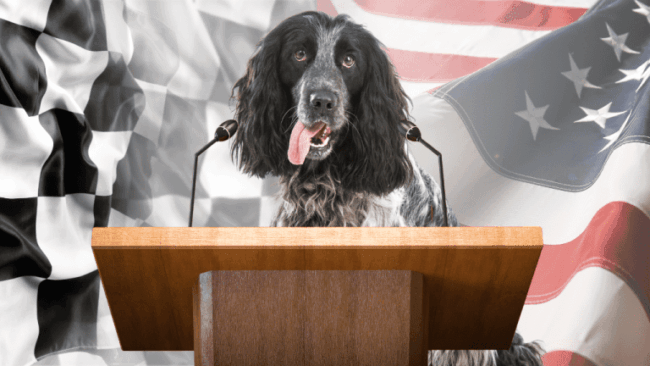
National Checkers Day, celebrated annually on September 23, may be mistaken for the classic board game. Except that isn’t what National Checkers Day is. It is widely recognized as National Dogs in Politics Day, a day rooted in one of the most influential moments in American public relations history. The celebration originates from the 1952 “Checkers speech” delivered by then–Vice Presidential candidate Richard Nixon during a moment of political crisis. What began as a defensive address quickly became a defining example of strategic communication, emotional appeal, and the emerging power of television in shaping public opinion.

In 1952, Nixon faced accusations that he had misused campaign funds, a controversy that threatened his credibility. Public trust was falling rapidly, and Nixon needed a way to regain control of the narrative. Instead of relying solely on the press, he made a bold and innovative PR decision, to address the American people directly through a nationally televised broadcast. At the time television was still a relatively new medium, but Nixon recognized its potential to create intimacy and immediacy in a way print could not. During the speech, Nixon provided a detailed explanation of his finances, aiming to demonstrate honesty and transparency. However, the moment that truly shifted public sentiment was his mention of a black-and-white cocker spaniel named Checkers, a gift his family had received. Nixon remarked that regardless of critics, the family would not give the dog back. This personal admission resonated deeply with viewers, effectively humanizing Nixon and redirecting attention from the allegations to a relatable family story. The dog became a symbol of sincerity, loyalty, and the power of emotional storytelling.

In public relations, the Checkers speech is frequently cited as a turning point that underscored how strategic messaging can influence public perception. Nixon’s decision to use emotional appeal plus factual explanation demonstrated an understanding of audience psychology. By blending transparency with heartfelt narrative, he transformed a political liability into a PR victory.

Today, National Checkers Day serves as a reminder of how communication, especially in times of crisis, can shape public understanding. It highlights the interplay between media, emotion, and persuasion illustrating that even in high-stakes political environments, authenticity and strategic storytelling remain essential tools in effective public relations.

I Took a Crisis Comm Class, and It Gave Me the Ultimate Life Hack

I recently took a crisis communication class with Grant Gegwich, Director of Corporate
Communications at Independence Blue Cross, and it totally changed my frame of reference on
crisis communication. I went in expecting dramatic case studies and “how to handle a scandal”
lectures, but what really surprised me was how applicable the whole thing is to normal,
everyday situations. The more I learned, the more I kept thinking about 1853 Communications
and how the skills we use to keep a client project on track can be found in the same toolbox as
skills used to manage a major crisis. I realized crisis planning isn’t just for big companies with
polished press conferences; it’s something any student, in a PR firm or not, can use.

The first big part of crisis planning is figuring out what could possibly go wrong. It’s important to
note that this is not negative thinking, it’s just preparation. And if you’ve spent even two minutes
inside a student-run PR firm, or any sort of group project, you know this list practically writes
itself: A client changes direction unexpectedly, a deliverable gets buried under someone’s
downloads folder, a post accidentally goes live at the wrong time, or a deadline creeps up on all
of us at once. In the professional PR world, this is a risk assessment. For us at 1853
Communications, it’s more like “what are the top five things that could give us grief this week?”
Writing the risks out actually makes them feel manageable. Once it’s on paper, you think, “Oh,
that’s annoying, but we can totally handle it.”

After identifying the risks, you figure out who would actually step in if one of these things
happened. Official agencies call this their Crisis Management Team, but you don’t necessarily
need that formal title in your everyday life to know who those people would. For us at 1853,
naturally this would fall on me and my fellow members of the executive board, who have already
help steer the ship. A CMT should consist of the people who stay calm when everyone else is
two seconds from totally spiraling and who are also able to grasp and understand the end goal.
Every organization and group has these steady voices. They reply fast, communicate clearly,
and somehow manage to keep the group chat from imploding.

Next up is the holding statement. A holding statement is a simple “we’re aware and working on
it” placeholder. My crisis class really drilled this into us, and I think it’s a bare bones requirement
for a crisis plan. A holding statement saves you from scrambling when you don’t have all the
answers yet. At 1853, this would be perfect for when a client reaches out with a concern, and
we need a moment to actually gather the details before responding. But like I’ve been saying,
it’s not just for PR. I’ve used that same kind of message structure for group projects, for
professors, and even in my own personal life. A calm, quick acknowledgment can kill chaos
before it even gets started.

So after you have all of the details what do you say? This is where being human matters most.
And being human means acknowledging the emotions tied to the situation. You have to cater to
how the audience feels about what happened. For example, if a group project deadline is
missed, you don’t just send the revised timeline; you start by taking ownership of the mistake: “I
know this is frustrating, and I apologize for the mistake/delay.”

The best messages at 1853 are always the ones that just cut the fluff. No corporate jargon. No
dramatic tone. You start by saying, “We made a mistake here,” or, “We’re really sorry this
happened and we own it.” Then, once you’ve acknowledged the error and the impact, you just
hit the basics: Here’s what happened, here’s what we’re doing next, and here’s what you can
expect. Crisis class reinforced this idea so clearly. People trust clarity. They trust honesty. They
trust that you see and understand the impact. And they trust it a lot more when it sounds like it
came from a real person, not a paragraph approved by a legal team.

And finally, there’s practice. This is the part everyone skips over because it seems boring, but
it’s key. I’m not talking about simulations or complicated meetings, though. I mean the small
“what would we do if” side conversations we already have at 1853. Practice also means
knowing your team inside and out. Understanding your team’s strengths and weaknesses
beforehand is half the battle. Those quick check-ins and knowing who to turn to build the
instincts that actually help you stay calm under pressure. And before you know it, you’ll naturally
become the person who doesn’t totally freak out when something unexpected pops up.

Crisis planning is just a secret superpower for life. You can forget the formal process outside of
work because the framework is what makes things run smoothly. Yeah, it helps with client work,
obviously, but it also smooths out every single messy edge of being a student. Think about it:
group work drama, leadership hiccups, or just plain managing your time. When everyone else is
hitting the panic button, these skills turn you into the most calm, organized person in the room.
Being that steady anchor? That’s seriously the biggest asset you can have, whether you’re
trying to lead 1853 Communications or just trying to survive finals week.

How Brands Use Thanksgiving to Shape Public Perception

During November, we see brands release heartwarming commercials, host community
service events, and share fun social media posts. Behind these seasonal campaigns is
something deeper: strategic public relations. Thanksgiving provides companies with an
opportunity to enhance their image and connect with their audience. Below is a closer look at
how brands utilize Thanksgiving to enhance their public image.


Thanksgiving is one of the few times in the year when people sit and reflect on what they
have. Brands will use this to their advantage by launching campaigns that emphasize
community, generosity, and gratitude. Some common examples of campaigns are: Food drives
& donation partnerships, holiday meal giveaways, employee appreciation, and family centered
commercials. When companies support causes, audiences can view them as kind and
trustworthy. This positive image can last long after the holiday season ends.

Public relations is all about building meaningful relationships with the public. During this
time of the year, brands will try to show they are part of the community. Some PR teams may do
this by sharing stories of volunteers and community impact, partner with nonprofit organizations,
and promote acts of service within the company. These actions are meant to show audiences
that the brand stands for something. If this is done authentically, this can significantly improve a
brand’s reputation and strengthen its connections.


Thanksgiving is a great time for brands to use social media strategically. Some example
posts you might have seen are: What were thankful for videos, short videos highlighting real
stories from the community, interactive campaigns where followers share what they’re thankful
for using a branded hashtag, and influencer partnerships centered around Thanksgiving. These messages are supposed to make the audience feel like the brand is relatable. Due to
Thanksgiving being a holiday centered around appreciation, audiences are more open to
engaging with heartfelt messages.

Why this matters in PR
It matters because it shows that timing matters, connecting messages to cultural things
increases impact. Also, because authenticity builds trust, people know when a company
genuinely cares or when something is being done for attention. PR isn’t only about
communication; it’s also about action. Engaging with your community strengthens the
relationship. Lastly, it’s important to share stories that connect. Holidays are the perfect
opportunity to share narratives that resonate.Thanksgiving gives brands an opportunity to
communicate gratitude, strengthen their community, and shape how the public views them.
Companies use this season to remind audiences that they’re more than an organization; they’re
part of the community.

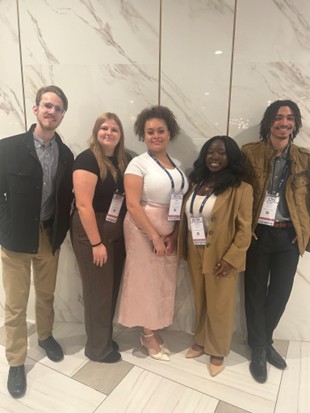
My Experience at PRSSA ICON 2025

The trip to ICON 2025 in Washington D.C. was the most unique event I’ve experienced while attending Arcadia University, perhaps only next to preview. While we were only allotted enough funds for our chapter to stay 3 / 4 conference days, the time that we did spend at the Hilton was amazing. Prior to the conference, Challan and I arrived in DC two days early to meet with some friends and family we had over there. I personally went to watch the new Demon Slayer movie with my cousins, then had them pay for my dinner! A completely underrated aspect of attending a conference is getting to explore a city you’ve likely never stayed in for very long. It may seem jarring to those who have never done so but it is considerably fun. 

The entire conference took place within the Hilton Hotel, which surprisingly had gigantic event halls, expo and meeting rooms! While just about only one event was mandatory for the group (presidents two) the events would start around 8am and go on until 6pm, all optional. While being optional, any and every event had attendees there willing to listen, and presenters ready to engage. I specifically remember the keynote speaker Lauren Graham and her talk of good storytelling, connection, and communication within her field and her life. Another event that stuck out to me was on Tuesday when a few of us attended the DEI Fireside chat featuring Doug Melville. This specific one was interesting as Doug spoke on the challenges with DEI in recent years but also the importance of having and maintaining DEI departments of organizations, as a former employee of Arcadia AEDI his words spoke volumes to me.

There were two mandatory events for my co-president and I, while everyone else was only mandated to attend the Star Chapter Recognition brunch. This Brunch included a multicourse meal in a huge event hall with butlers and very many speakers. Every Star Chapter was recognized and the Student Leader board discussed plans for the future of PRSSA. The Leadership Recognition dinner was much more relaxed, we were left to mingle amongst the other leaders invited and ended up meeting some of the most interesting people in the room (in my opinion)! I valued the chance to network with leaders in the PR field and other peers from around the world. IICON was genuinely an experience I will never forget and I hope that those still invested in 1853 try their best to attend ICON 2026 in Orlando!

From Self Sabotage to Success: Five Habits that Turn Potential into Progress

A PRSA ICON Conference Session titled “From Self Sabotage to Success: Five Habits that Turn Potential into Progress” drew a communications-heavy crowd in Washington, D.C., last week, focusing on practical ways professionals can stop undermining their own goals and build their momentum. Speaker, Heathere Evans A.P.R., P.C.C., a Leadership Coach and Consultant from Los Angeles, California outlined five repeatable habits-naming the inner critic, micro-commitments, calendar triage, accountability, and blameless post-mortems as tools for moving from intention to execution. 

Evans framed self sabotage as a pattern rather than a personality trait. Drawing on case examples from agency life and in-house terms, she argued that most stalled projects share the same friction points: unclear first steps, overstuffed calendars, and a private narrative that mistakes comfort for danger. 

Habit 1: Name the Inner Critic

The first habit asked attendees to externalize negative self talk so it can be managed rather than believed. The speaker encouraged writing down the script of the “inner critic” before performing major tasks (pitches, performance reviews, creative briefs) and labeling which parts stem from fear, which parts are fact, and what is fixable. 

“When you name the voice, you gain the ability to control the volume”

Audience members all responded with nods and brief laughs as the speaker read common mental scripts “I’m not ready”, “They’ll say no”, “It has to be perfect”, all noting how familiar they felt in deadline culture. 

Habit 2: Make micro-commitments (The 10-Minute Rule)

In order to combat this perfection paralysis, the session emphasised micro-commitments: shrink the first step of a task until it fits into 10 minutes. Instead of “finish the deck”, the action becomes a much more manageable “draft three slide headlines”. Evans cited teams that schedule 10-minute “ignition blocks” to get past that starting friction that often consumes an entire afternoon. Zahra Sashenka from a PR agency in Chicago, IL had to say “I had heard about the 10-Minute Rule before and I use it often. It really helps when you don’t know when or where to start.”

Habit 3: Calendar Triage

A third habit addressed overloaded calendars. Evans distinguished between “real work” like drafting a release, editing a video, or creating a media list, and “work about work” like status calls, vague brainstorming, or simple reminders. She urged audience members to reverse-engineer their week from about two to three key outcomes you must have by Friday and block out time needed to make those outcomes real. 

Evans recommended a weekly 20-minute “triage” where commitments are sorted into “Must Do” directly attached to one of your three outcomes for the week, “Must Decide” has value but needs structure, ask for more details before confirming to your calendar, like “Who is running the project”, “What is the purpose of the meeting”, etc. Event planner, Marie Taylor, had said “The calendar triage is going straight to my team- we’re drowning in meetings that don’t decide anything!” 

Habit 4: Build an accountability circle

The session advocated for small “accountability circles” (three to five people) who briefly meet to declare one highly specific goal/deliverable for the week, then continue to report back and meet weekly. Unlike mentorship, the circle functions as a lightweight, peer-level guard rail against drifting away from your goals. Evans highlighted a case of an internal Comms Manager who used the format to ship an overdue project after six months of stops and starts. Once it was shifted into weekly micro-commitments the project moved through approvals without the usual stalling. 

Habit 5: Run blameless post-mortems

Finally Evans finished her session with “blameless post-mortems”; short debriefs where teams ask three questions. What did we expect? What happened? And what will we change next time? The emphasis Heathere said, is learning, for fault finding. The habit, common in engineering, translates well into public relations and communications work when the goal is institutional memory that actually improves outcomes. 

Attendees skewed toward agency account leads, in-house communications managers, and early career practitioners. Energy stayed high throughout the Q&A session as well, with several questions about how to handle perfectionism and how to manage criticism from stakeholders. An event organizer, Paula Albert, said the session was designed to translate big-picture professional development into tangible behaviors. “ICON brings ideas, but we also want people to leave with habits that they can try Monday morning” 

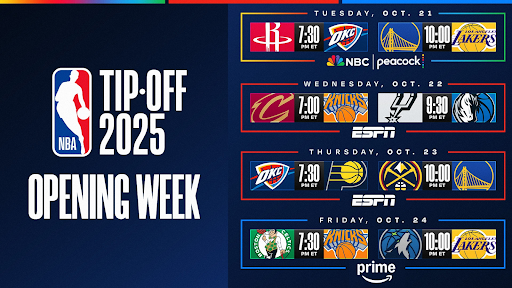
The NBA Season Tips Off: A Win for Public Relations

Today, October 21, 2025, marks the start of a brand-new NBA season, and basketball fans across the country are more than ready. But while most people are focused on watching their favorite teams and players, this time of year also highlights just how powerful public relations can be in sports. The NBA has become a masterclass in building excitement, managing its image, and connecting emotionally with fans all around the world.

The start of the season is more than just games tipping off; it’s a storytelling opportunity. The NBA’s PR teams work hard to shape the season’s main narratives, from rising stars like Victor Wembanyama taking over the league to legendary veterans like LeBron James chasing history in what could be his final years. Each storyline helps fans feel like they’re part of something bigger than basketball. That emotional connection is what keeps people talking, tweeting, and posting long after the games end.

Social media plays a massive role in this. Platforms like Instagram, X (formerly Twitter), and TikTok let the NBA and its players reach fans instantly. Players now act as their own brands, sharing highlights, personal moments, and even their opinions on social issues. This direct communication builds authenticity and trust, two key ingredients in effective public relations.

The NBA’s global reach is another huge part of its PR success. The league promotes messages of diversity, equality, and community through international games and campaigns that appeal to audiences worldwide. By focusing on inclusion and cultural connection, the NBA has turned itself into more than just a sports league; it’s a global brand.

As the 2025 season begins, it’s clear that the NBA’s success isn’t just about talent or competition. It’s about how the league uses storytelling, image management, and audience engagement to keep fans invested year after year.

How the NFL Is using the Taylor Swift Effect to Boost Revenue and Female Viewership

Over the past two years, the NFL appears to have tapped into an unexpected demographic, the Taylor Swift fanbase. As Swift’s public appearances at Kansas City Chiefs’ games have increased, alongside her relationship with Travis Kelce, both ticket, merchandise, and viewership numbers have shown a significant rise, especially among female audiences. While “love story PR” might make good headlines, there are real numbers to support this. According to market analysts at Apex Marketing, between September 24, 2023 (when Swift first attended a Chiefs game) and January 28, 2024, her appearances generated about $366.8 million in equivalent brand value for the NFL (TV, social media, print, etc.). In the following season up to January 27, 2025, that number jumped to $634.3 million. The total brand value attributed to Swift & her association with the NFL since the start of their public appearances is approaching $1 billion. Media outlets report that more young women and teenage girls have shown increased interest in NFL games since Swift became a visible presence. In particular, viewership among teenage girls reportedly rose significantly. Businesses not traditionally linked to NFL merchandising like fashion brands, snack/food brands,and accessories tied to items Swift was seen wearing, have often reported increased traffic or sales after her appearances. For example, when Swift wore a particular pair of New Balance sneakers, sales of that model reportedly rose. Swift isn’t officially an NFL ambassador, but her frequent presence at games acts similarly to paid endorsement. Her appearances, and her brand’s alignment with the Chiefs, generate buzz and media coverage, especially among those who might not normally follow football. The NFL has historically had American men as its main audience. Some past NFL efforts to attract female or international viewership to help them reach their revenue goal have felt cliche and thus failed. But in this case, the narrative (a celebrity dating a football player, attending games) seems more organic and compelling. That gives the marketing a more authentic feel, which resonates better.

Privacy Settings
We use cookies to enhance your experience while using our website. If you are using our Services via a browser you can restrict, block or remove cookies through your web browser settings. We also use content and scripts from third parties that may use tracking technologies. You can selectively provide your consent below to allow such third party embeds. For complete information about the cookies we use, data we collect and how we process them, please check our Privacy Policy
Youtube
Consent to display content from - Youtube
Vimeo
Consent to display content from - Vimeo
Google Maps
Consent to display content from - Google