
Promoting Awareness in PR
September is National Childhood Cancer Awareness Month. Through the lens of public relations, I’ve come to realize how interconnected PR and this awareness month truly are. I first learned about September’s significance for pediatric care through a Major League Baseball team, the Philadelphia Phillies. Since the beginning of the month, NBC Sports broadcasters have been highlighting childhood cancer during each game. Every night, the team honors a young hero, with announcers Tom McCarthy and John Kruk sharing the child’s story and photos on television. By doing this, the Phillies are not only raising awareness but also bringing attention to those who have suffered.
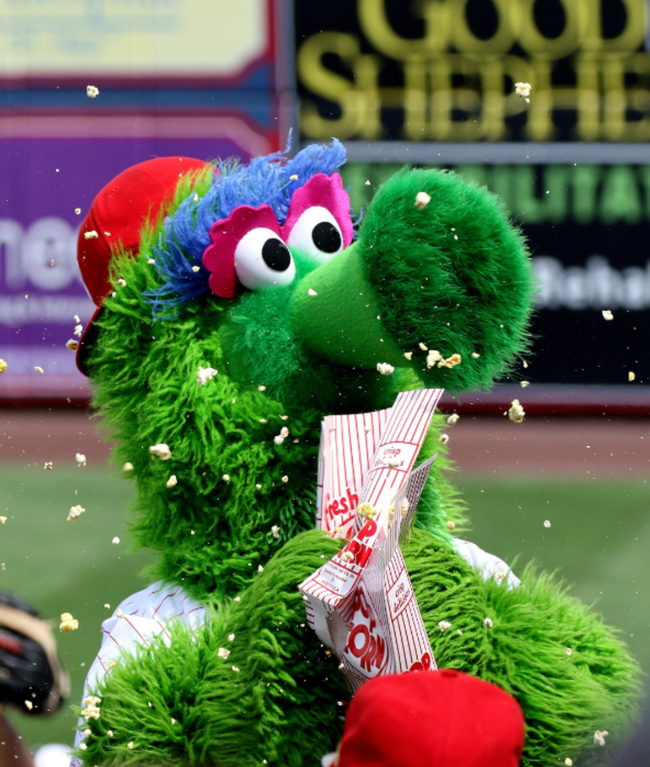
A standout moment occurred about two weeks ago when a young girl, Rosie McKenna, returned home to find her bedroom transformed by volunteers from the Phillies organization. Before that, she and her sisters were greeted by the team mascot, the Phanatic, at their dining table! Her bedroom now features a mural of Aaron Nola pitching, a ceiling adorned with baseball cards of current and retired players, and a signed baseball by beloved DH, Kyle Schwarber. These efforts show that the Phillies are not only raising awareness about pediatric cancer but also humanizing the issue in a way that resonates with their audience.
In PR terms, the Phillies are major influencers for Childhood Cancer Awareness Month in Philadelphia. On September 2nd, they partnered with Nemours Children’s Health to honor children in various ways. During a pregame event, dozens of kids participated in various activities. For example, the ceremonial first pitch was thrown by Eric Newton (age 14) and was caught by Dr. Jonathan L. Powell, a pediatric hematologist-oncologist. Children also took the field with players for the national anthem, performed by Arianna Barricelli (age 23), who had eye cancer in her youth. Another special moment included Margo Macchione (age 6) “hitting” a ceremonial home run and running the bases with Shortstop Trea Turner.
These strategic PR efforts by the Phillies have effectively spread messages about childhood cancer. They illustrate how partnering with sports teams or public figures can make a significant impact by reaching large audiences. The emotional connections displayed on television encourage fans to donate to research and pediatric care hospitals. By sharing numerous stories and interviews during the games, these PR practices also inspire people to volunteer and support research and treatment.
Influencers play a crucial role in PR, especially when advocating for social causes and mobilizing community support. The Phillies’ campaign exemplifies how PR can go beyond traditional advertising, using personal stories and community involvement to drive both emotional and actionable responses. Other PR agencies should take note of this successful partnership, as it demonstrates how effective strategic PR can be in addressing and supporting significant social issues.
